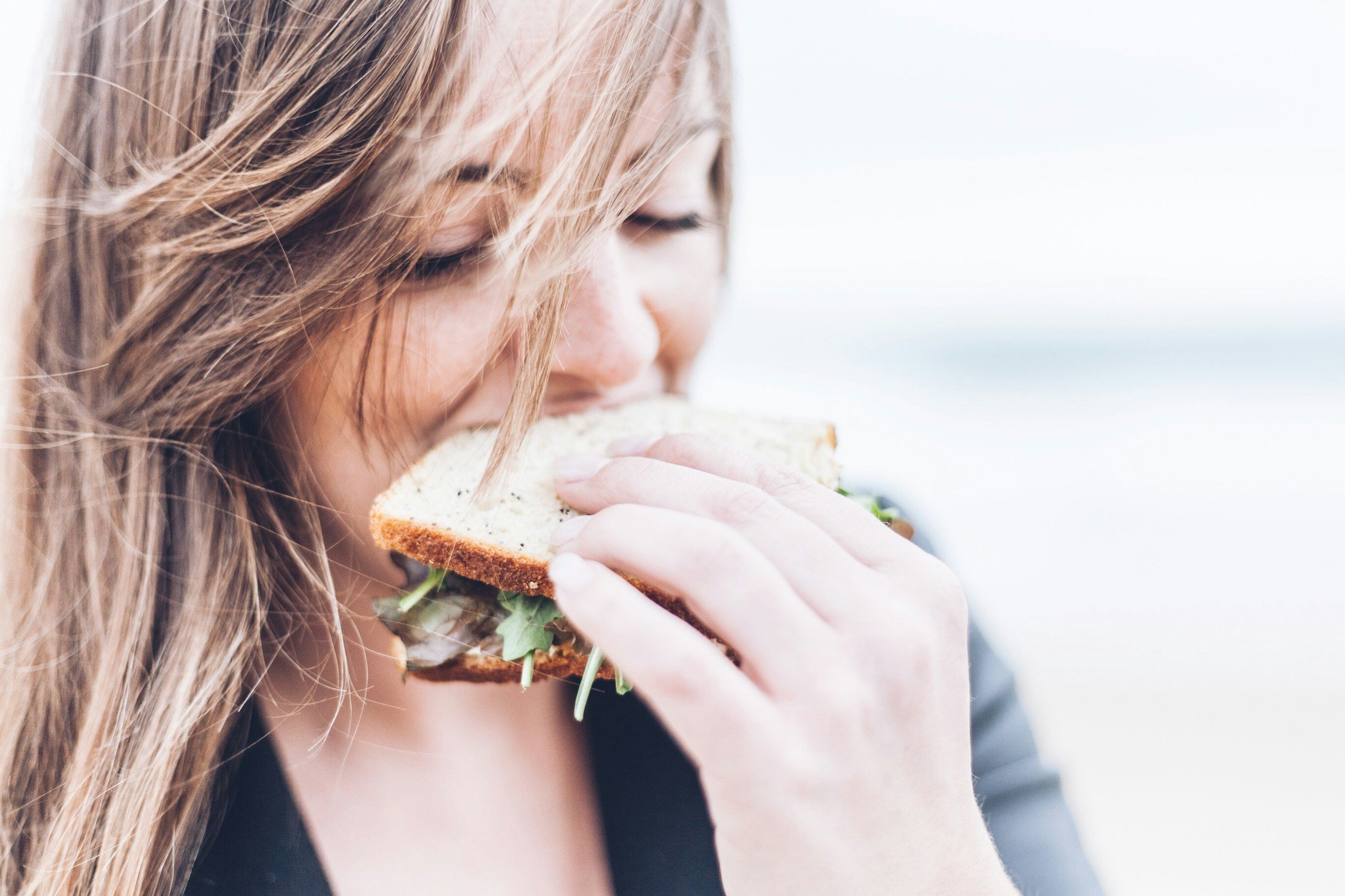
If hunger has started to feel bottomless - as though you have only just finished eating and are already thinking about the next thing - you are not imagining it.
And you are not lacking willpower.
Something may genuinely have shifted in your body.
Your hormones can change the way hunger feels
Oestrogen does much more than regulate your menstrual cycle.
It also interacts with the brain systems involved in appetite, fullness, food reward and energy balance.
As oestrogen fluctuates through perimenopause, these systems may become less predictable.
Some women notice that they feel hungrier, less satisfied after meals or more drawn to foods that provide quick energy.
This does not happen in exactly the same way for every woman, but the change can feel very real.
It is not a character flaw.
Poor sleep can make appetite harder to regulate
Sleep disruption is extremely common in perimenopause.
Night sweats, waking between 2am and 4am, difficulty falling asleep or simply sleeping more lightly can all affect how hungry you feel the following day.
Poor sleep can increase appetite, reduce your ability to feel satisfied and make highly palatable, quick-energy foods feel more appealing.
This is why a difficult night can show up the next day not only as tiredness, but also as stronger hunger and cravings.
The two are closely connected.
Stress adds another layer
Midlife is often a demanding season.
You may be managing work, family responsibilities, ageing parents, changing hormones and a body that no longer responds in the way it once did.
Persistent stress can influence appetite and food reward.
For some women, it increases the pull towards foods that offer fast energy, comfort or relief — especially when they are already tired, underfed or overwhelmed.
That does not mean the hunger is “all in your head”.
It means your nervous system, your energy needs and your emotional wellbeing are all part of the picture.
Sometimes hunger is also a response to restriction
Hormones are only one part of the story.
Hunger can also become louder when you have been trying to eat less, delaying meals, cutting out carbohydrates or relying on meals that do not leave you genuinely satisfied.
Many women eat very little during the day because they are trying to be “good”, then feel as though they have lost control in the evening.
But what looks like a lack of discipline may simply be a body trying to make up for what it did not receive earlier.
The answer is rarely more control.
It is often more consistent nourishment.
What actually helps?
Build more satisfying meals earlier in the day
Include a meaningful source of protein, fibre-rich carbohydrates, vegetables and enough food to leave you comfortably satisfied.
A substantial breakfast and lunch can reduce the physical urgency that often appears later in the afternoon or evening.
Stop treating hunger as something to defeat
Hunger is information.
Instead of immediately asking, “How do I stop eating?”, try asking, “What might my body be asking for?”
You may need more food, more rest, greater meal consistency or a different balance of nutrients.
Protect your sleep where you can
You may not be able to control every night sweat or early waking, but small, consistent habits can still help.
A regular waking time, a cooler bedroom, less alcohol and caffeine later in the day, and time to wind down can all reduce some of the pressure on your appetite-regulating systems.
Treat stress support as part of your nutrition plan
A short walk, a few minutes of slower breathing, eating without your phone or spending time outside may seem simple.
But these actions help your nervous system feel safer and can make it easier to notice hunger, fullness and what you actually need.
This is not indulgence.
It is part of metabolic care.
You are not broken
If hunger has become bigger, louder or harder to satisfy in perimenopause, it does not mean you have suddenly become undisciplined.
Your hormones, sleep, stress levels, eating patterns and history of dieting may all be influencing what you feel.
Understanding this can be the first step towards ending the fight with your appetite.
Your body is not asking to be punished.
It is asking to be understood.
If you would like help making sense of what may be changing in your body — and building an approach that works with it rather than against it — I offer a free 30-minute Clarity Call.
There is no pressure.
It is simply a calm conversation about what is happening and what kind of support may genuinely help.
This content is for educational purposes and does not replace individual nutritional advice.