Metabolic Health in Midlife: The Foundation for Energy, Weight Regulation, and Food Peace
If you’re in midlife and doing all the “right” things — eating well, cutting back, trying to be disciplined — yet your energy keeps dipping and your weight feels stubborn, it’s not a lack of effort.
It’s a sign your metabolism needs support, not more control.
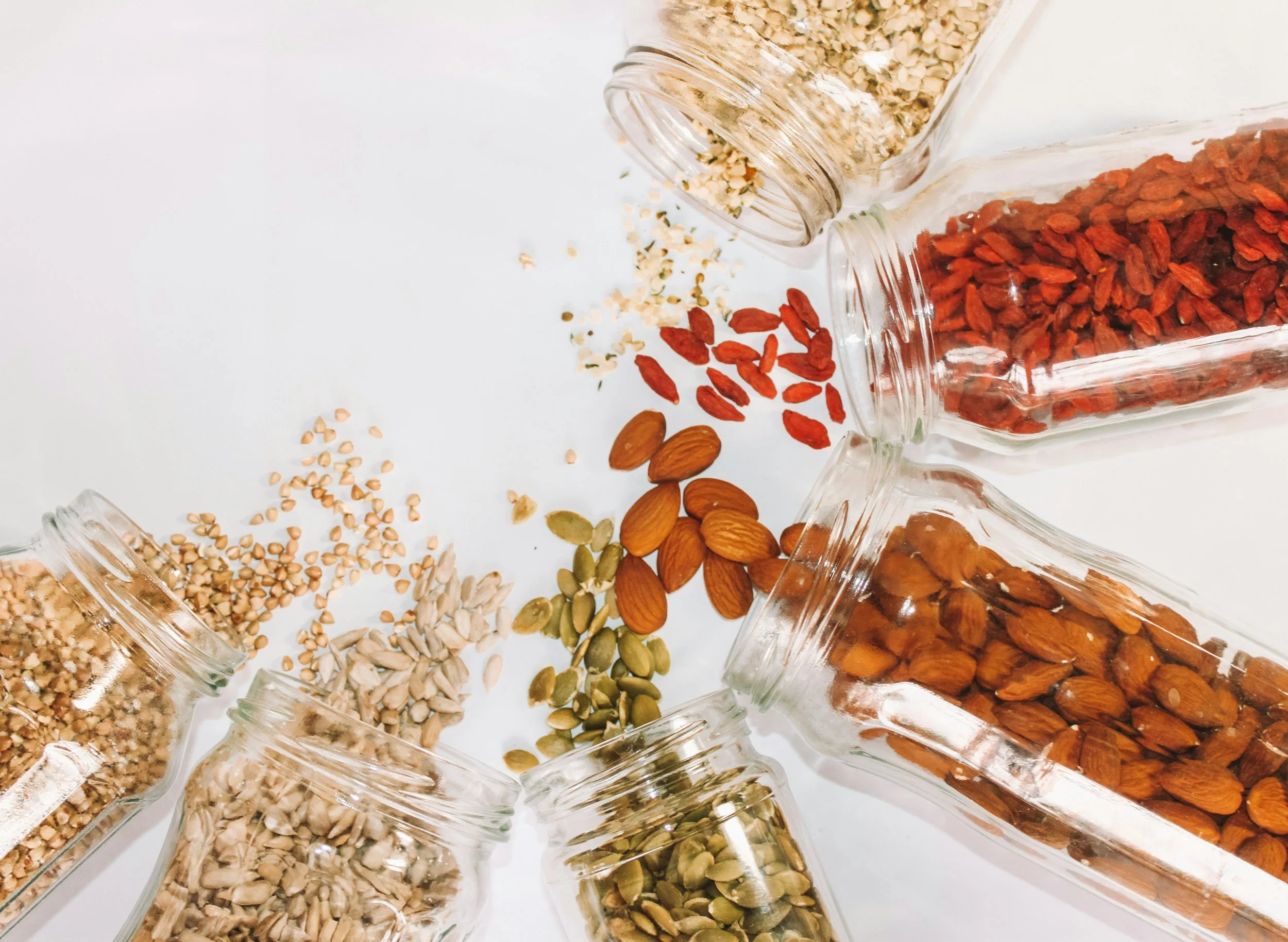
Metabolic health is how well your body regulates blood sugar, appetite, energy, hormones, and fat storage.
When it’s under strain — which is common in perimenopause — food stops “working,” energy becomes unpredictable, and weight loss feels harder no matter how well you eat.
This isn’t a failure.
It’s physiology.
What Is Metabolic Health?
Metabolic health describes how well your body:
Regulates blood sugar and insulin
Produces and uses energy
Responds to stress
Signals hunger and fullness
Adapts to hormonal change
Manages inflammation
When metabolic health is supported, food feels easier, energy feels steadier, and weight regulation happens more naturally.
When it’s not, the body becomes protective — conserving energy, increasing cravings, and resisting weight loss.
This is not a failure.
It’s a biological response.
Why Metabolic Health Becomes So Important After 40
Midlife is not the start of decline — but it is a time of increased sensitivity.
Perimenopause brings shifts in oestrogen and progesterone that affect:
Insulin sensitivity
Stress tolerance
Sleep quality
Appetite regulation
Fat storage patterns
Add years of dieting, chronic stress, under-fueling, and muscle loss, and the metabolic system often starts sending louder signals.
This is why “doing less” or “trying harder” no longer works.
Your body isn’t broken.
It’s asking for support, not control.
Common Signs Your Metabolism Needs Support
Many women are told these symptoms are “just ageing” or “just menopause,” but they are often metabolic clues:
Energy crashes, especially in the afternoon
Strong cravings or loss of control around food
Weight gain around the middle despite eating well
Poor sleep or waking unrefreshed
Feeling cold, foggy, flat, or unmotivated
Emotional eating that feels harder to regulate
These signs don’t mean you lack discipline.
They mean your physiology is under strain.
Why Dieting Stops Working in Midlife
Dieting focuses on controlling intake.
Metabolic health focuses on how your body responds.
Years of restriction can:
Increase insulin resistance
Elevate cortisol
Reduce metabolic flexibility
Suppress thyroid signalling
Disrupt hunger hormones
In midlife, the body becomes less tolerant of this stress.
So the harder you try to control food, the more your body pushes back — with cravings, fatigue, and stalled progress.
This is why weight loss often feels harder despite eating better than ever.
The Core Systems That Drive Metabolic Health

Eating for metabolic health
Blood Sugar Regulation
Unstable blood sugar drives fatigue, cravings, and fat storage.
Supporting it starts with regular meals, adequate protein, and reducing long gaps without food.
Insulin Sensitivity
Insulin resistance makes it harder for the body to use energy efficiently.
This is common in midlife — and reversible with the right support.
Stress Hormones (Cortisol)
Chronic stress keeps the body in survival mode.
High cortisol prioritises fat storage and disrupts appetite signals.
Thyroid Signalling
The thyroid regulates how energy is used.
Stress, under-eating, and inflammation can slow this system — even when blood tests look “normal.”
Gut Health & Inflammation
Low-grade inflammation interferes with hormone and insulin signalling.
Digestion, nutrient absorption, and gut balance matter more than most people realise.
What Supporting Metabolic Health Actually Looks Like
This is not about perfection or rigid plans.
Supporting metabolic health means:
Eating enough to feel safe and fuelled
Prioritising protein and blood sugar stability
Reducing physiological stress, not just mental stress
Rebuilding trust with hunger and fullness cues
Strengthening the body rather than shrinking it
When the body feels supported, appetite often calms and weight regulation becomes easier — as a side effect, not the goal.
A Non-Diet Approach to Sustainable Energy and Weight Balance
Weight loss without metabolic support leads to cycles of effort and disappointment.
Metabolic health first allows:
Energy to return
Cravings to soften
Sleep to improve
Food decisions to feel calmer
The body to respond again
This approach is especially important for women with a long history of dieting, emotional eating, or body dissatisfaction.
It’s not about letting go of science.
It’s about applying it wisely.
Why Personalisation Matters
Every metabolism tells a different story.
That’s why one-size-fits-all plans fail — especially in midlife.
Personalised support may include:
Understanding blood sugar and insulin patterns
Assessing stress load and recovery capacity
Identifying inflammatory or digestive drivers
Supporting hormonal transitions
Addressing eating behaviours without shame
The goal isn’t control.
It’s regulation, resilience, and long-term health.